
Before You Build: The Window Decisions No One Warns You About
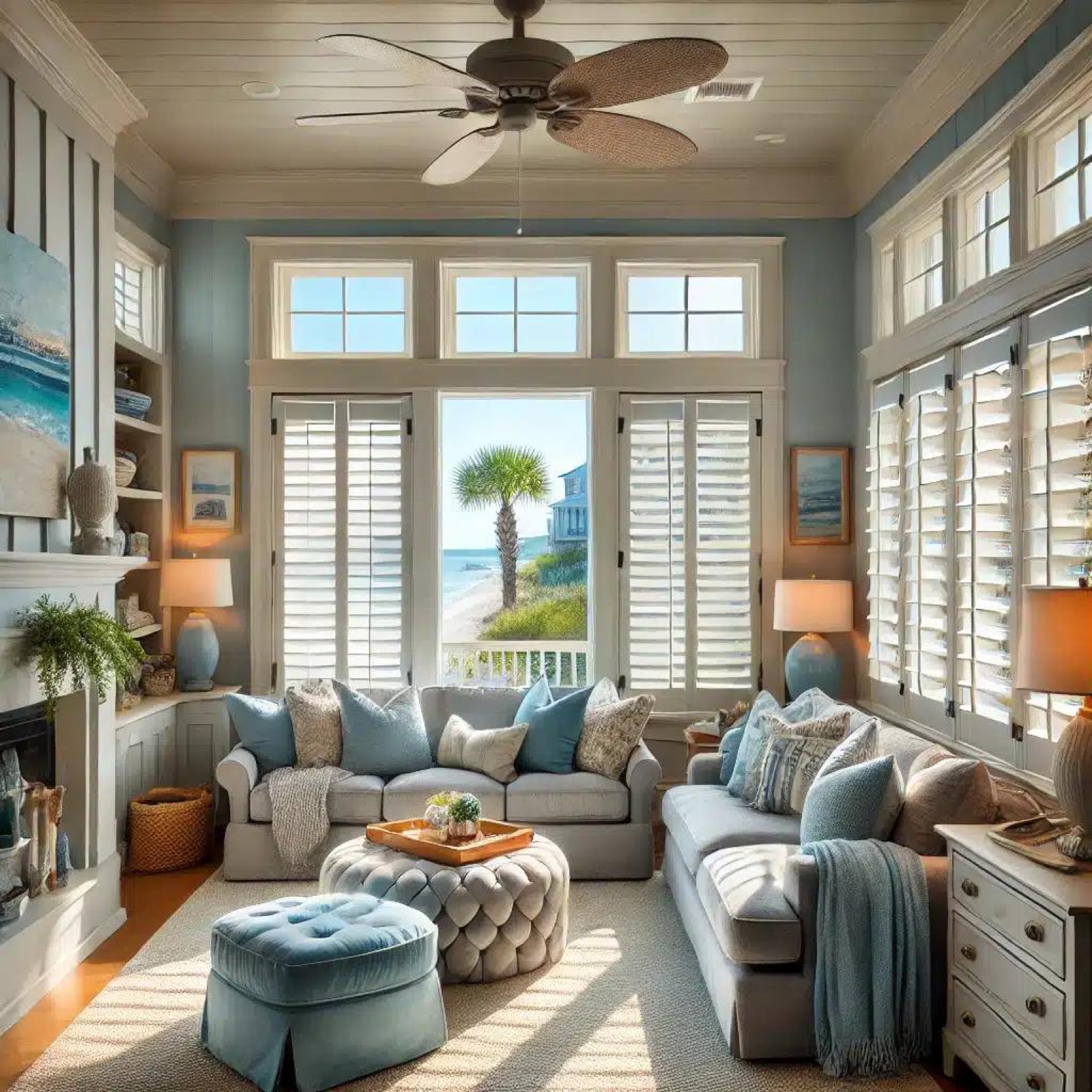
Natural light is wonderful. A bright, airy home can feel open, fresh, and inviting. But when you are building a home, windows should not be an automatic “more is better” decision. Architects and builders are often thinking about elevation, symmetry, natural light, and the overall exterior design. Those things matter, of course. But what often gets missed is how those windows will function once you are actually living in the home.
Will the window need privacy? Will the sun be too intense? Will furniture placement be affected? Will clothing, rugs, or upholstery fade? Will you need to raise and lower treatments every single day? And most importantly, have you budgeted for what it will cost to cover them?
Window treatments are not an afterthought. They are part of the total build cost, just like tile, lighting, appliances, and cabinetry. And depending on the number of windows in your home, they can become a very real expense.
Bathroom Windows: Privacy Comes First
Natural light in a bathroom is beautiful, but a large, standard-height window will almost always need to be covered for privacy. Before you approve the window placement, ask yourself: could you achieve the same natural light with a transom window instead?
A higher transom window can allow light into the space without requiring a shade, shutter, or privacy treatment. That can save money, simplify the design, and still give you the bright bathroom you want.
Closet Windows: Just Say No
This may sound drastic, but I am going to say it clearly: windows in closets are almost always a bad idea. Sunlight damages clothing, handbags, and shoes. It can fade fabrics, dry out leather, and create uneven wear on pieces you have invested in.
A window also takes up valuable wall space that could be used for hanging clothes, shelving, drawers, or a mirror. And in most cases, that closet window will still need to be covered, which adds another cost to the project. Save the money. Protect your wardrobe. Use the wall space wisely. No windows in the closet.
Bedroom Windows: Think Beyond the Pretty Elevation
Bedrooms are another area where window placement needs to be carefully considered. I recently looked at a home with two bump-out areas in the primary bedroom and a total of fourteen windows. Fourteen windows in one bedroom may look beautiful on the plans, but it creates some very real questions. Do you need that much light in a room meant for sleeping? How will you make the room dark enough at night? Who is going to raise and lower all of those shades every day? And what will it cost?
At $800 to $1,200 or more per window for coverings, fourteen windows can become a significant investment very quickly. If you want a layered look with shades or plantation shutters plus drapery panels, that cost can easily increase.
While we are not seeing as many arched crescent windows in new builds as we once did, those can also create challenges. If they need to be fully covered for sleeping, the treatment is often custom, tricky, and more expensive. In bedroom sitting areas with multiple windows, whatever treatment you choose needs to be functional. It is not just decorative. Those shades or draperies may need to be opened and closed daily. With a large number of windows, motorization may be the most practical solution, but that adds another layer of cost.
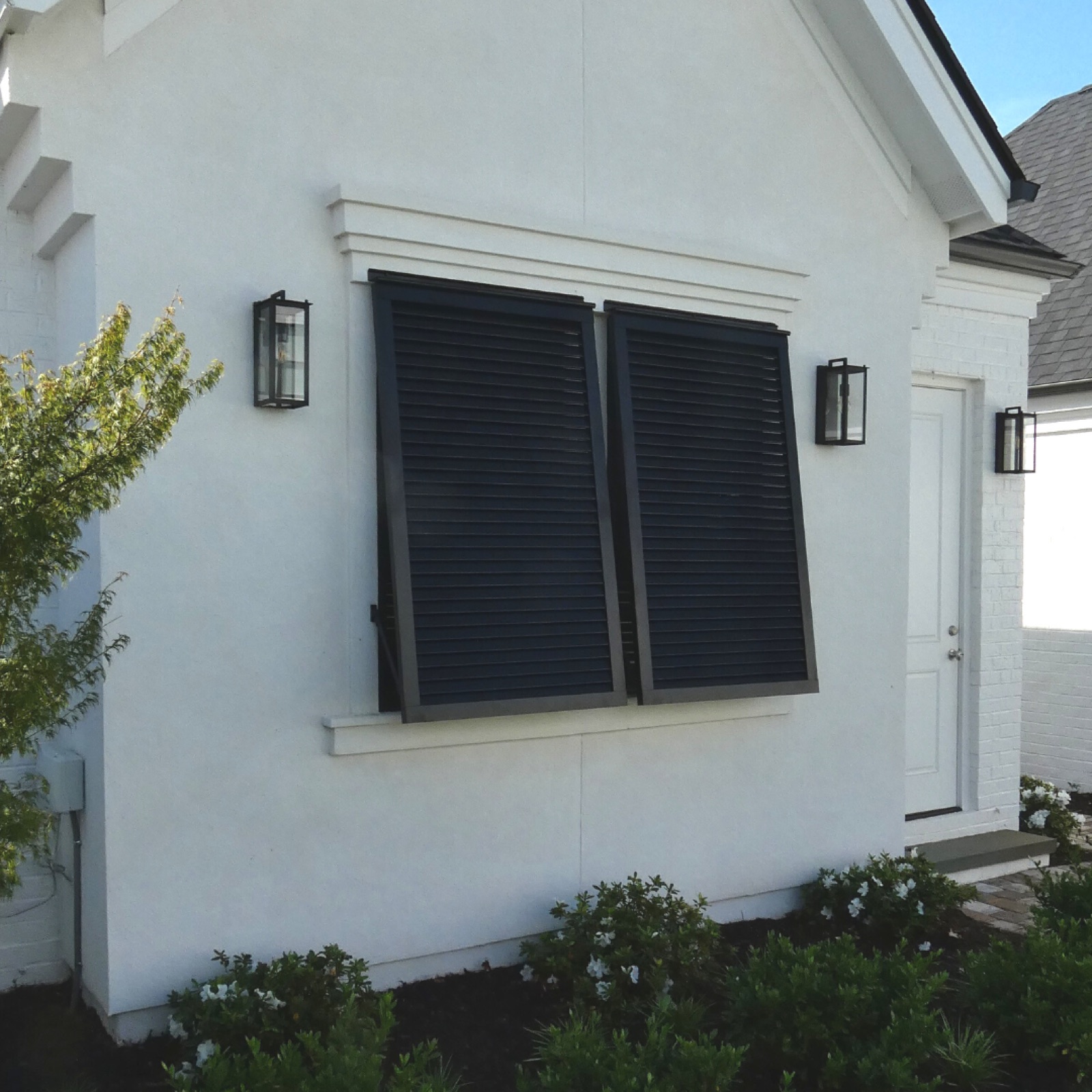
In my own home, I did not want windows flanking the bed. I prefer a dark room for sleeping. Instead, we have doors leading out to the porch with room-darkening draperies and no other bedroom windows. So what happens when the outside of the home needs visual balance, but you do not want windows on the inside? In Lowcountry-style homes, one solution is a faux exterior window with closed shutters. From the outside, it gives the appearance of balance and symmetry, but inside, there is no actual window affecting furniture placement, light control, or privacy.
Great Room Windows: Don’t Underestimate the Carolina Sun
Large windows in great rooms and dining areas are often installed for views, not privacy. If you are on a lake, golf course, marsh, or wooded lot, you may assume you will not need window treatments. That may be true for privacy, but it may not be true for sun control.
In our own home, we did not think we would need anything on the great room or dining room windows because we face the lake. After a few weeks, we realized the morning sun was so intense that you practically needed sunglasses to watch TV or eat breakfast. The same thing happened in my husband’s office, which also faces the lake. Those windows all needed tinting.
Before you finalize your plans, think about the direction your home faces and how the sun will move through the space. Morning and afternoon sun can have a major impact on comfort, glare, flooring, rugs, furniture, and artwork.
Blocking: The Detail You’ll Be Glad You Planned For
Blocking is extra wood installed inside the walls during framing. It provides support for heavier items that will be mounted later, including window treatment hardware. Without proper blocking, heavy drapery rods, room-darkening panels, or layered treatments may not have enough support. Drywall anchors alone are not always enough.
We learned this the hard way in one of our guest rooms. We had directed our builder to install blocking in the bedrooms, but in one room, the blocking did not go high enough. After we hung heavy room-darkening draperies, the supports failed and the drapes came crashing down. My husband had to cut into the drywall and install additional blocking before rehanging them.
Always talk to your builder about where blocking should go. My suggestion is to take it higher than you think you need. It gives you more flexibility later and can prevent costly repairs.
Budget for Window Treatments From the Beginning
Covering windows is an expense, and it should be factored into your build budget from the start. The style and quality of your window treatments should match the level of your home. Off-the-shelf blinds from a big box store may be fine in some situations, but they are not going to support the overall aesthetic of a custom or high-end home.
As a general guideline, I often suggest clients budget around $1,000 per window for basic plantation shutters or woven shades. If you want motorization, room-darkening options, custom drapery panels, or a layered designer look, the cost goes up from there. That does not mean every window needs an elaborate treatment. It means every window should be considered intentionally.
The Bottom Line
Windows are one of those building decisions that seem simple on paper, but they affect how you live in your home every single day. Before you build, think beyond the exterior elevation and ask how each window will function from the inside. Will it need privacy? Will it create glare? Will it affect furniture placement? Will it damage clothing or furnishings? Will it need to be covered daily? Will it require blocking? And have you included the cost in your budget?
A light-filled home is beautiful. But a thoughtfully planned home is even better.